Appeal unfair fines
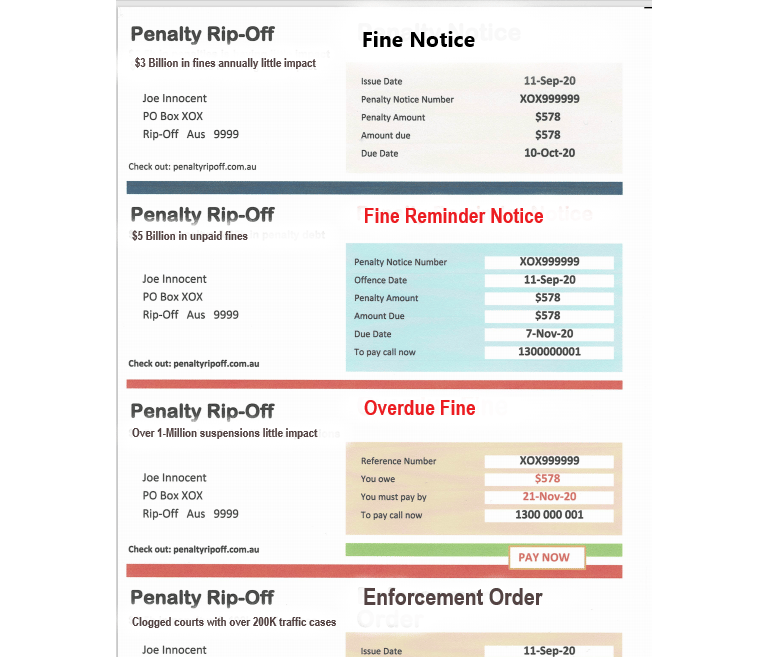
State governments issue hundreds of millions in fines each year, raking in over $3.5 billion in fines revenue nationally. Many fines have little impact on road safety. Never rush to pay as you'll have up to 28-days to consider your options.



What you can do
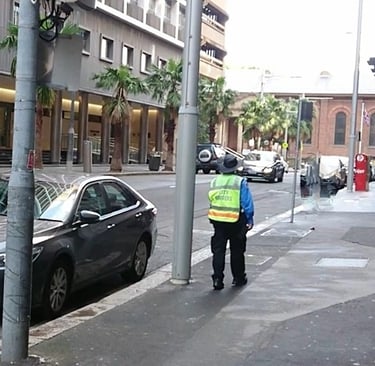
Work out why you got the fine, revisit the location, check signs and visibility. Determine if there's a problem with the signs or road markings and if other drivers are having problems. Take lots of photos or download them from Google or other sources.
Download any fine camera images, determine if you were the offender or another close vehicle. Check your dashcam for lead up issues and carry out an online search. Check if this is a high fines location and the reasons why.
Appeal
If you've a good driving record, with no serious 3-demerit point plus offences in the last 2-3 years, appeal to the agency who issued the fine two days before the fine due date.
If your appeal is rejected, consider re-appealing before the new fine due date, if you feel they've overlooked your good driving record, important facts or if you've additional evidence or photos.
Every time you appeal the fine due date will be extended. This allows you time to consider your next step.
Court
If you're still unsuccessful consider a court appeal, you'll find you'll achieve a fairer outcome from a magistrate than from state revenue, your local council or a police appeal.
Get free advice from Legal Aid or from a court duty solicitor, then lodge a court option before the fine due date.
You can lodge your court option online, within 10-days you've received your Court Attendance Notice, you can phone the court and request a more suitable day or a closer local court.
Never enter a plea until you arrive in court. 'Guilty,' or 'Guilty with an explanation,' pleas are generally dealt with on the day. 'Not Guilty,' pleas will take longer. Remember you can always change your plea on the day of your court attendance.
With simple traffic and council fines you can represent yourself in court. The magistrate will generally discount a fine with an early guilty plea, a good driving record or if this is your first offence. Magistrates have the power to dismiss a fine, lower the fine, dismiss any court or victim compensation levies. If the fine is dismissed so are the demerits.
When the magistrate is discussing your fine, you need to remind them of your good driving record, never having lost your licence for a serious matter. If its a trivial fine that didn't endanger anybody or create a hazard ask that its dismissed and that it does'nt attract any additional costs, because you had applied to the issuing agency before you were forced to take it to court.
If you've still got a fine to pay you can apply for time to pay or other payment options before the new due date.
If you're a pensioner, on government support or having severe financial difficulties you can apply for a lower time to pay arrangement, generally a fortnightly amount of $21.
The book Penalty Rip Off includes information on appealing in your state, with a guide, templates and examples of successful appeals. It explains contributing, special and exceptional circumstances that may have contributed to your receiving an expensive fine.
If you're charged with a serious offence that could result in the loss of your license or imprisonment, get legal advice early from a specialist traffic solicitor.